


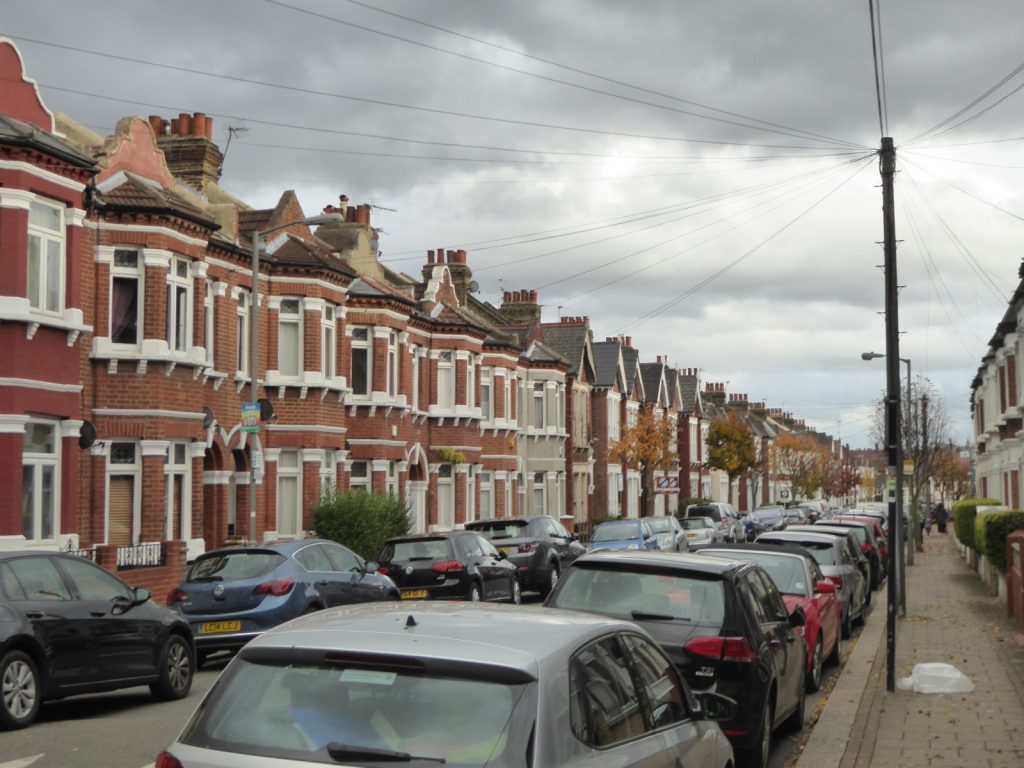
The Decent Homes Standard, which has long applied only to social housing, will apply to private rented homes in England from 2035. The government’s policy statement of 28 January 2026 confirmed this. The standard covers safety, repairs, basic facilities, warmth, and damp and mould. You have time, but the best preparation is simple: keep your property well maintained from now on.
What is the Decent Homes Standard?
It is a set of minimum conditions that a rented home must meet to count as “decent”. Until now it has applied to council and housing association homes. The Renters’ Rights Act extends it to the private rented sector.
Local authorities will enforce it for private homes. Reported penalties include fines of up to £40,000 for failing to comply with enforcement action. Some practical detail is still to come, and government guidance is expected to be published later. This article reflects what has been confirmed so far, so check gov.uk for updates.
The five areas your property will be judged on
The final standard is built around five criteria.
- Serious hazards. The home must be free from the most dangerous “Category 1” hazards under the Housing Health and Safety Rating System. Think of things like serious fire risks, dangerous electrics or excess cold.
- State of repair. Key parts of the building, such as the roof, walls, windows, heating and wiring, must be in good condition. Kitchens and bathrooms are judged on their condition, not on their age.
- Facilities and services. The home needs safe, working core facilities. There is also a new requirement for child-resistant window restrictors where there is a risk of falls.
- Thermal comfort. Homes must be reasonably warm and efficient to heat. This links to heating that works across the whole home and to energy efficiency rules.
- Damp and mould. Damp and mould must be prevented and dealt with quickly and effectively.
What has changed from earlier plans
Two points are good news for landlords. The government dropped the rule that kitchens and bathrooms must be replaced once they reach a certain age. A well-kept kitchen can stay. A requirement to supply floor coverings at the start of a tenancy was also removed from the final plans.
The energy efficiency details are less settled. Rules on minimum EPC ratings for private rentals are still being worked out, and guidance is expected later. Do not rush into expensive upgrades without checking the latest position. For background, see our earlier article on new EPC standards guidelines.
Why 2035 is not a reason to wait
Nine years sounds like a long time. But the standard describes how a well-run home should be kept anyway. Problems that start small, such as a slow leak or a failing boiler, become costly repairs and can lead to damp and mould.
Councils are also expected to take more interest in conditions. Other changes under the Renters’ Rights Act are arriving sooner, including Awaab’s Law, which is being extended to private renting. A property in good order is far easier to let, to keep let and to defend if a tenant complains.
A practical checklist to get your property ready
You can start now without spending much. Work through these steps for each property.
- Inspect the property. Visit at least once a year, giving proper notice. Look at the roof, gutters, walls, windows, ceilings and under sinks.
- Check for damp and mould. Look for stains, musty smells and condensation. Fix the cause, such as a leak or poor ventilation, not just the mark on the wall.
- Service heating. Have the boiler serviced each year. Make sure heating reaches every room and that tenants can control it easily.
- Review safety certificates. Keep gas safety, electrical safety and EPC records up to date. Test smoke and carbon monoxide alarms.
- Look at insulation and draughts. Loft insulation, draught-proofing and sealed windows cost little and help warmth.
- Check windows. Make sure upper-floor windows open and close safely, and plan for restrictors where needed.
- Keep a record. Note every inspection, repair and date. Photos help.
- Act on reports fast. Ask tenants to tell you about problems early, and respond quickly.
How regular maintenance protects your property
Most failures of a decent homes test come from small jobs left undone. A steady routine of inspections and quick repairs keeps a home safe, warm and dry. It also protects the value of your investment.
At Denhan, we have our own in-house maintenance team, and maintenance is available 24 hour. That means a leak, a heating breakdown or a safety issue can be dealt with promptly, instead of waiting days for a contractor. If you want to understand what good upkeep involves, our guide to property maintenance services for landlords is a useful place to start.
With a managed approach, you are not chasing tradespeople yourself. You also have a clear record of the work done to the property.
Taking the worry out of compliance
New standards mean more to track. If you would rather not do it alone, Guaranteed Rent may suit you. You get a fixed rent paid every month, including when the property is empty, with 0% commission. Denhan looks after the property with our in-house team.
We are London Guaranteed Rent Specialists with 20+ years of experience. We cover all 32 London boroughs and work with landlords and local authorities. You can read more answers on our FAQs page.
Want to know what Guaranteed Rent could mean for your property? Request a free valuation and our team will talk you through your options.
Photo: David Smith, CC BY-SA 2.0